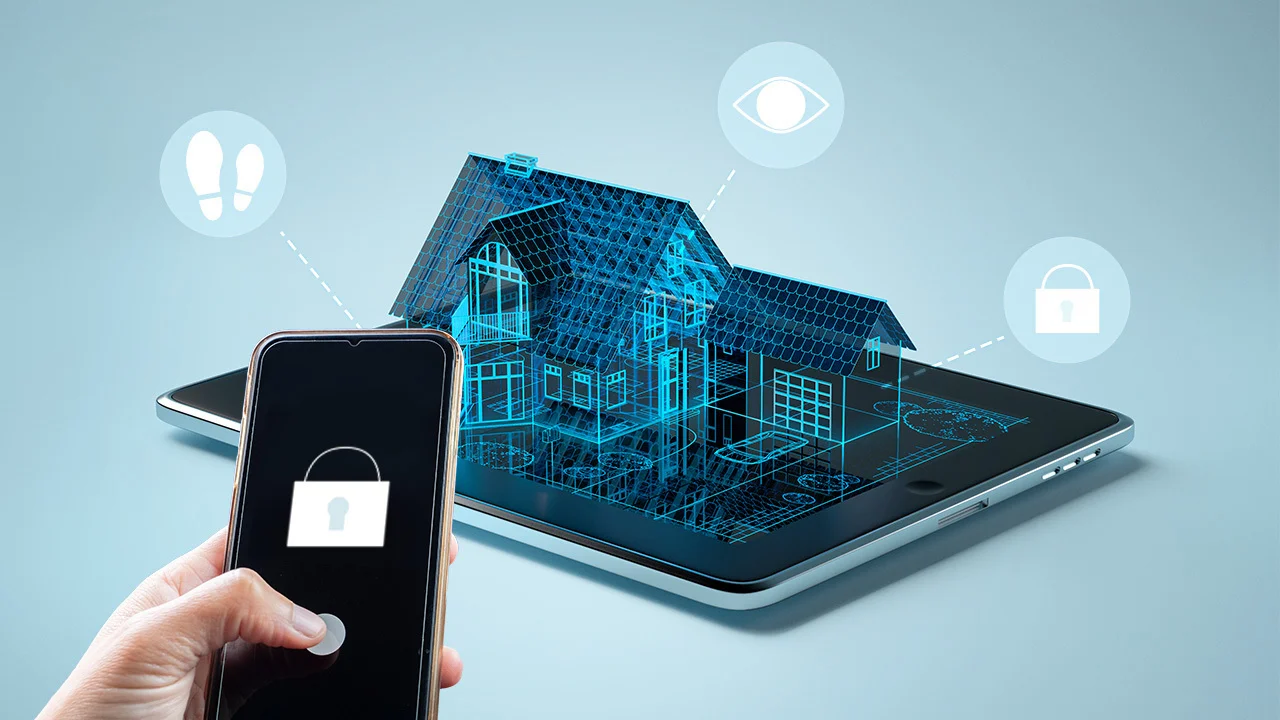
Home security is one of the most important responsibilities for any homeowner or renter. Your home is not just a building. It is where your family sleeps, eats, laughs, and feels safe. Without proper home security, that sense of safety can disappear in a moment. Every year, millions of homes across the world face break-ins, theft, and property damage. The good news is that most of these crimes can be prevented with smart planning, awareness, and the right Home Security habits.
Deep Dive Picks believes that strong home security does not always require expensive systems. Many powerful protection methods start with simple steps that anyone can follow. From doors and windows to smart technology and daily routines, this guide explains everything you need to know in clear, easy language. By the end of this article, you will understand how to protect your home and family effectively using proven home security strategies.
Understanding the Importance of Home Security
Home security is about more than stopping theft. It protects lives, memories, and peace of mind. When a home is well protected, families sleep better and live with less stress. Criminals often look for easy targets. Homes with weak doors, dark areas, and no visible home security measures attract unwanted attention.
A real-life example helps explain this clearly. Two houses sit next to each other on a quiet street. One has outdoor lights, locked gates, and visible security cameras. The other has dark corners and unlocked windows. A criminal will almost always choose the second house. This shows how even small home security steps can make a big difference.
Strong home security also protects against non-crime dangers such as fire, gas leaks, and accidents. Modern home security systems can alert homeowners instantly when something goes wrong. This fast response can save property and lives.
Home Security Basics Every Family Should Know
Before installing high-tech tools, every household should focus on basic home security rules. Many break-ins happen because people forget simple habits.
Locking Doors and Windows Consistently
Always lock doors and windows, even when you are at home. Many burglaries occur during daytime when residents are inside but distracted.
Important tips include:
- Lock doors when sleeping
- Check windows before leaving the house
- Lock back doors, garage doors, and balcony doors
- Use deadbolt locks for extra strength
Creating Daily Home Security Habits
Home security becomes strongest when it becomes part of daily life. Simple habits build powerful protection over time.
Examples of good habits:
- Never hide spare keys outside
- Do not share your home schedule on social media
- Always close curtains at night
- Turn on porch lights after sunset
- Collect packages quickly
These small steps make your home a difficult target.
Strengthening Doors and Entry Points for Better Home Security
Doors protect your home like a shield. If doors are weak, home-security becomes weak.
Choosing Strong Exterior Doors
Exterior doors should be made from solid wood, metal, or fiberglass. Hollow wooden doors can break easily and should be avoided for main entrances.
Key door safety tips:
- Install deadbolts with long screws
- Use reinforced door frames
- Add door viewers or peepholes
- Avoid glass near door handles
Securing Sliding Doors and Back Entrances
Sliding doors are common entry points for burglars. Home-security improves when these doors are secured properly.
You can:
- Place a wooden rod or metal bar in the track
- Install anti-lift devices
- Use sliding door locks
- Add security film to glass panels
These steps make it harder for intruders to enter quietly.
Window Protection and Glass Home Security Measures
Windows are another common weak point in home -ecurity. Even small windows can be used for entry.
Installing Window Locks
Every window should have a working lock. Special locks are available for:
- Sliding windows
- Double-hung windows
- Basement windows
Adding Security Films and Bars
Security film makes glass stronger and harder to break. Bars or grilles offer even higher protection, especially for:
- Ground-floor windows
- Basement windows
- Windows near dark alleys
A family in a city neighborhood once added security film after repeated break-ins nearby. Not long after, a thief attempted to break their window but failed because the glass did not shatter easily. The noise scared the criminal away. This shows how proper window home-security stops crime.
Lighting as a Powerful Home Security Tool
Criminals avoid bright areas because light increases the risk of being seen. Proper lighting is one of the easiest and cheapest home-security solutions.
Outdoor Lighting for Home Security
Install lights in these important areas:
- Front door
- Back door
- Garage entrance
- Garden and pathway
- Dark corners
Motion sensor lights are very effective. They turn on when someone moves nearby. This sudden light often scares away intruders.
Indoor Lighting While Away
When homes look occupied, criminals stay away. Use timers to turn lights on and off inside your home when you are on vacation. This simple home-security trick makes it appear that someone is home.
Smart Home Security Technology and Devices
Modern home security uses technology to offer faster and smarter protection. Smart devices send alerts to your phone and allow you to monitor your home from anywhere.
Security Cameras and Video Doorbells
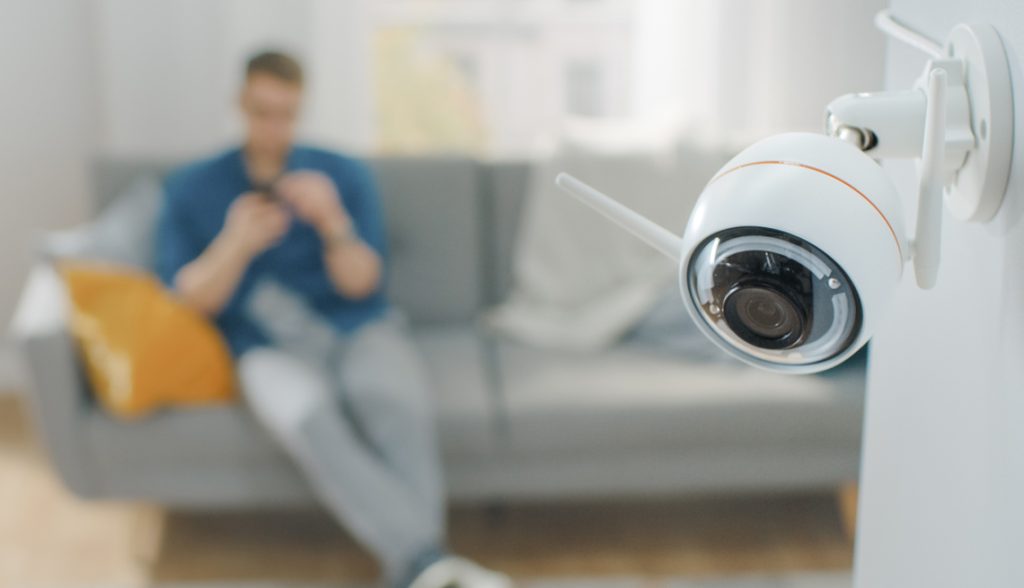
Security cameras are one of the strongest home-security tools available today. They:
- Record all activity
- Deter criminals visibly
- Provide evidence if a crime happens
- Allow real-time monitoring through mobile apps
Video doorbells show who is at your door even when you are not home. You can speak to visitors through your phone, improving personal safety.
Smart Alarms and Sensors
Modern alarm systems protect doors, windows, and motion areas. When triggered, they:
- Sound loud alarms
- Send alerts to your phone
- Notify security companies
- Contact emergency services
Smart home security is especially useful for families, seniors, and frequent travelers.
The Role of Neighborhood Awareness in Home-Security
Home security becomes much stronger when neighbors work together. A watchful community creates shared protection.
Neighborhood Watch Programs
Neighborhood watch programs allow residents to:
- Share alerts
- Monitor suspicious behavior
- Help during emergencies
- Improve overall neighborhood safety
Even without a formal program, simple neighbor communication improves home-security greatly.
Building Trust with Neighbors
Get to know nearby families. Share phone numbers with trusted neighbors. Ask them to watch your home when you are away. This human layer of home security is often more powerful than technology alone.
Home Security for Apartments and Rental Homes
Many people believe that renters cannot improve home-security. This is not true. Even without permanent changes, strong protection is possible.
Portable Home-Security Devices
Renters can use:
- Wireless security cameras
- Door stop alarms
- Window vibration sensors
- Battery-powered motion lights
Improving Apartment Entry Security
You can:
- Add secondary door locks with landlord permission
- Use heavy curtains
- Block sliding doors properly
- Add floor-mounted door braces
These simple upgrades greatly improve apartment home-security.
Teaching Children About Home-Security
Children should understand the basics of home security at an early age. Education reduces fear and builds confidence.
Safety Rules for Kids
Teach children:
- Never open the door for strangers
- Never share personal information online
- Always lock the door when alone
- Call parents or emergency numbers during danger
Emergency Practice Drills
Practice:
- Fire escape routes
- Intruder hiding spots
- Calling emergency numbers
- Staying calm during alarms
These drills help children act correctly during real home-security situations.
Home Security for Seniors and Older Family Members
Seniors face unique home-security risks. Limited mobility and slower reaction times require extra protection.
Easy-to-Use Security Features
Good options include:
- Medical alert systems
- Voice-activated alarms
- Simple keypad locks
- Auto-locking doors
Checking On Seniors Daily
Family members should check in regularly. Smart home-security systems can alert caregivers if movement stops for long periods.
Home Security While Traveling and During Vacations
Many break-ins happen when families travel. Travel planning must include home-security preparation.
Preparing Your Home Before Leaving
Before a vacation:
- Lock all doors and windows
- Pause mail delivery
- Remove spare keys from outside
- Empty trash bins
- Activate alarms and cameras
- Inform trusted neighbors
Remote Monitoring While Away
With modern hom-security apps, you can:
- View camera footage
- Receive motion alerts
- Control lights remotely
- Talk through your doorbell camera
This keeps you connected to your home at all times.
Fire Safety and Home Security Connection
Home-security also includes protection from fire and smoke. Fires cause massive damage within minutes.
Installing Smoke and Carbon Monoxide Detectors
Every home should have:
- Smoke detectors in every bedroom
- Carbon monoxide detectors near gas appliances
- Monthly testing of alarm systems
- Annual battery replacements
Fire Escape Planning
Every family must have:
- At least two exit routes
- A meeting point outside
- Fire extinguishers in the kitchen
- Clear hallways and stairs
Fire safety is a critical part of complete home-security.
Cybersecurity and Smart Home Security Risks
Modern homes use Wi-Fi for alarm systems, cameras, and smart locks. This creates new home-security risks.
Protecting Your Smart Devices
To stay safe:
- Use strong passwords
- Change default login information
- Update software regularly
- Avoid public Wi-Fi for system access
Keeping Personal Data Safe
Hackers sometimes target smart home-security systems. Keeping data encrypted protects your family’s privacy and digital safety.
Home Security Myths That Put Families at Risk
Many people believe false ideas about home-security. These myths create dangerous gaps in protection.
Common Home-Security Myths
- My neighborhood is too safe for crime
- My dog alone will protect my home
- Burglars only strike at night
- Apartments are always secure
- Security systems always prevent crime alone
The truth is that burglars strike at all times, in all areas, and even homes with pets can be targeted. Only complete home-security planning offers real protection.
How Criminals Choose Targets and How to Stop Them
Understanding how criminals think helps improve home-security.
What Criminals Look For
They often search for:
- Unlocked doors
- Dark properties
- No visible cameras
- Easy window access
- Predictable routines
How to Reverse These Weaknesses
You can:
- Lock everything consistently
- Install visible cameras
- Use motion lighting
- Change daily routines
- Add warning signs and decals
These actions make your home appear risky to criminals.
Cost-Effective Home-Security Tips for Any Budget
Home-security does not require expensive systems. Many powerful tips cost very little.
Low-cost home security steps include:
- Door and window locks
- Motion lights
- Knock simulators
- Security stickers and signs
- DIY cameras
Creating a Long-Term Home Security Plan
Home-security should grow with your family and lifestyle. What works today may need upgrades tomorrow.
Step-by-Step Home Security Planning
- Evaluate weak spots
- Improve doors and windows
- Add lighting
- Install basic alarm systems
- Upgrade to smart home-security when possible
- Train family members
- Review and update annually
Long-term planning keeps home-security strong for years.
Home Security Case Study: A Real-Life Protection Story
A family in a quiet suburb once ignored home-security. They left doors unlocked and had no cameras. One afternoon, thieves entered through an unlocked back door and stole electronics and jewelry. No evidence was found.
After the incident, the family upgraded their home-security with:
- Deadbolt locks
- Motion sensor lights
- Security cameras
- Alarm system
- Neighborhood watch participation
Two months later, cameras recorded a person attempting to enter at night. The lights turned on, the alarm sounded, and the person ran away. The upgrade saved the home from a second crime. This real-world example proves how strong home-security stops danger in action.
Why Home Security Is a Responsibility, Not an Option
Home security protects lives, not just objects. Parents protect children. Families protect elders. Homeowners protect neighbors. Strong home-security is a responsibility that shapes safer communities and future generations.
In today’s world, crime, accidents, cyber threats, and disasters exist everywhere. Waiting for danger to happen before acting is a risky gamble. Prevention is always more powerful than repair. The right home-security system, combined with smart habits and community awareness, creates powerful protection.
Conclusion: Building a Safer Life Through Smart Home Security
Home security is one of the smartest investments you will ever make—not just in money, but in safety, comfort, and peace of mind. A protected home allows families to grow, children to dream, and seniors to live with confidence. Strong home-security is built through simple habits, physical protection, modern technology, and strong community connections.
By locking doors, securing windows, adding lights, teaching children safety, working with neighbors, planning for emergencies, and using smart home-security tools, you create a layered defense system that criminals find difficult to defeat. Every small effort adds another wall of protection around your loved ones.
Deep Dive Picks believes that knowledge builds power. When families understand home-security, they take control of their safety instead of relying on luck. Your home deserves strong protection. Your family deserves a safe future. Start strengthening your home-security today and build a life where safety is never left to chance. Explore our homepage now to stay ahead in the digital world.
FAQs
What is the most important part of home security?
The most important part of home-security is consistency. Locking doors and windows daily, using lights, and maintaining awareness are more powerful than buying expensive equipment without using it properly.
Can home security really prevent crime?
Yes, strong home security prevents crime in most cases. Visible cameras, alarms, and lighting discourage criminals because they increase the risk of getting caught.
Is smart home security safe from hackers?
Smart home-security can be very safe when strong passwords, updated software, and secure networks are used. Regular updates and proper digital habits protect these systems from cyber threats.