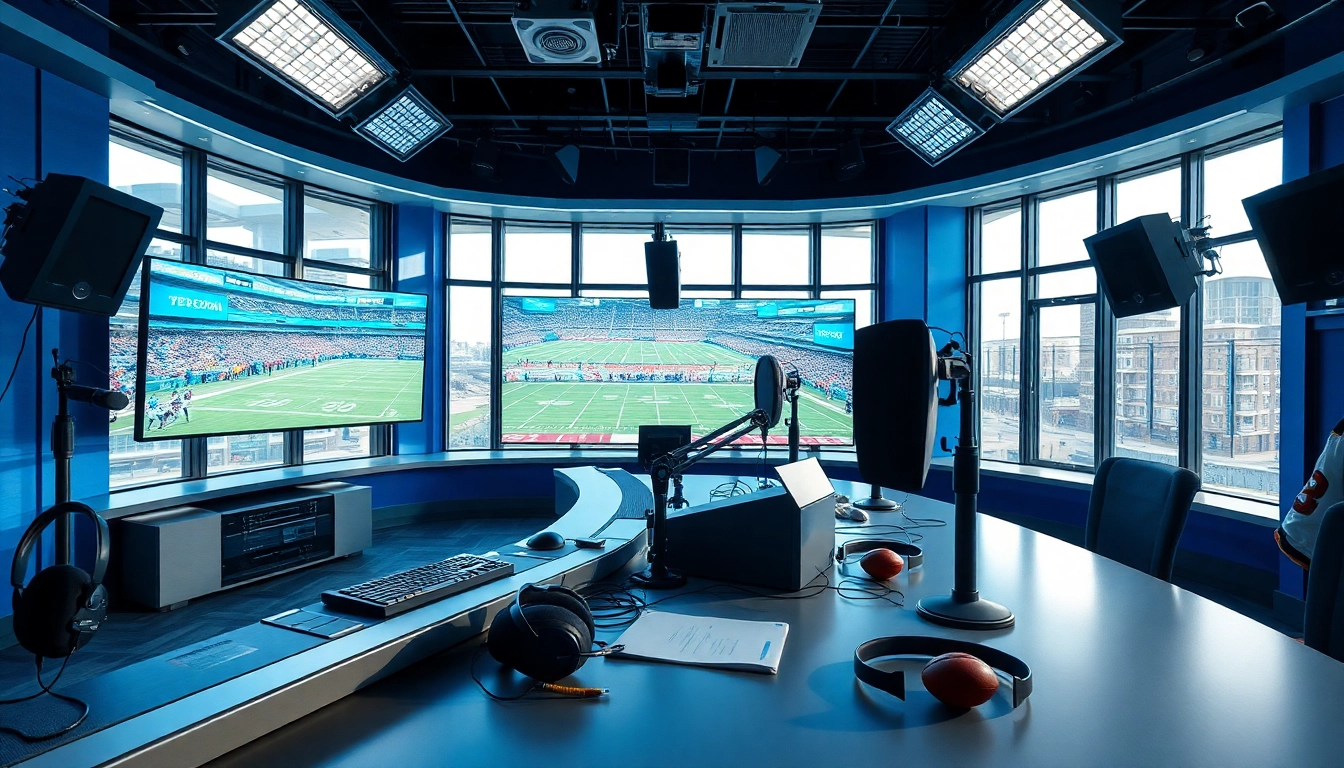
Understanding Sports Broadcasting
Sports broadcasting plays an integral role in the entertainment industry, providing fans with real-time access to their favorite games. The excitement of sports is amplified when combined with professional commentary, expert analysis, and the magic of live video. This article will delve deep into the realm of Sports Broadcasting, exploring its significance, evolution, and the best practices that enhance viewer experience.
The Importance of Sports Broadcasting
Sports broadcasting serves several key functions that go beyond merely airing games. Firstly, it acts as a bridge connecting fans with the teams and athletes they love. It allows fans to be part of the action, even from a distance. Additionally, broadcasting generates substantial revenue for leagues and teams through advertising, sponsorships, and subscription fees. The strategic placement of advertisements during games can lead to significant financial gains, making sports broadcasting not only a source of entertainment but also a vital economic engine for the sports industry.
History and Evolution of Sports Broadcasting
The roots of sports broadcasting can be traced back to the early 20th century when radio brought live sports coverage into homes for the first time. As technology advanced, television took center stage. The first televised sporting event was a baseball game in 1939, marking a turning point in how fans consumed sports. Over the decades, broadcasting expanded dramatically, with cable networks joining the fray, which allowed for dedicated sports channels. Today, the industry faces a new evolution with the rise of online streaming platforms, enabling viewers to customize their viewing experience.
Key Components of Sports Broadcasting
Understanding the fundamentals of sports broadcasting involves recognizing key components that contribute to a successful broadcast experience. These include:
- Commentary: Professional commentary provides context, analysis, and enthusiasm, bringing the event to life for viewers.
- Camerawork: Dynamic camera angles and high-definition visuals enhance the viewing experience, making it immersive.
- Production Design: Graphics, sound, and presentation style plays a critical role in how information is conveyed and how engaging a broadcast can be.
- Social Media Integration: Engaging with viewers through social media platforms allows broadcasters to extend the conversation beyond traditional viewing.
Current Trends in Sports Broadcasting
The landscape of sports broadcasting is rapidly evolving, driven largely by advancements in technology and changes in viewer behavior. In this section, we’ll explore current trends shaping the industry.
Emerging Technologies in Sports Broadcasting
Technological advancements continue to revolutionize how sports are broadcasted. Virtual Reality (VR) and Augmented Reality (AR) have started to play significant roles, providing fans with immersive viewing experiences that make them feel as if they are part of the action. Moreover, Artificial Intelligence (AI) is being utilized for automated highlights and player tracking, enhancing the quality and efficiency of broadcasts.
The Rise of Online Streaming Platforms
Streaming services like Netflix and Amazon have changed the traditional broadcasting model, prompting traditional networks to adapt. These platforms offer on-demand content, allowing viewers to watch games at their convenience. As a result, broadcasters must rethink user engagement strategies to retain subscribers in this saturated market.
Data Analytics in Sports Broadcasting
Data analytics are transforming sports broadcasting by providing insights into fan behavior, player performance, and even marketing strategies. Broadcasters can now tailor content to meet viewer preferences based on data, creating a more personalized viewing experience. Furthermore, integrating predictive analytics enables networks to adjust programming strategies dynamically.
Challenges Faced in Sports Broadcasting
Despite the dynamic nature of the industry, sports broadcasting faces several challenges that can hinder its success. Understanding these obstacles is crucial for effective adaptation and growth.
Licensing and Copyright Issues
One of the most significant challenges broadcasters face is navigating the murky waters of licensing and copyright laws. Securing broadcasting rights for events can be complex, time-consuming, and expensive. Violations can lead to hefty fines and legal repercussions, demanding that broadcasters stay informed of regulations to avoid pitfalls.
Maintaining Viewer Engagement
As audience expectations evolve, broadcasters must continuously find ways to keep viewers engaged. This includes providing real-time statistics, offering interactive content, and leveraging social media for fan interaction. Failing to innovate can lead to declining viewer loyalty and reduced advertisement revenues.
Competition with Other Media
The traditional model of sports broadcasting is confronting stiff competition from various forms of media, including social media platforms, podcasts, and online videos. These mediums are often more agile, providing quick highlights and analysis that can capture audience attention. To remain competitive, broadcasters must curate a unique value proposition that emphasizes the quality and comprehensiveness of their coverage.
Best Practices for Effective Sports Broadcasting
Utilizing best practices can significantly enhance the effectiveness of sports broadcasting, ensuring that audiences remain engaged and satisfied.
Utilizing Social Media for Engagement
Integrating social media into broadcasts allows for real-time interactions, polls, and fan feedback, creating a more interactive experience for viewers. Broadcasters can leverage platforms like Twitter and Instagram to keep fans updated and involved in the conversation, driving higher levels of engagement.
Offering Diverse Coverage Options
Viewers’ preferences vary widely; hence, broadcasters should consider offering multiple coverage options, including localized commentary, in-depth analysis, and multi-camera perspectives. These choices provide fans with a tailored viewing experience that meets individual interests and preferences.
Investing in Quality Production Values
High-quality graphics, sound, and camera work can elevate a broadcast significantly. Ensuring that production teams focus on delivering a polished presentation enhances credibility and keeps viewers coming back for more.
Measuring Success in Sports Broadcasting
To evaluate the effectiveness of broadcasting efforts, it’s essential to measure success using relevant metrics. Understanding these indicators allows broadcasters to refine their strategies continually.
Key Performance Indicators for Sports Broadcasting
Key Performance Indicators (KPIs) such as viewer ratings, subscription growth rates, and advertising revenues are essential for assessing broadcasting success. Monitoring these metrics enables organizations to pinpoint areas for improvement.
Viewer Feedback and Engagement Metrics
Soliciting feedback from viewers through surveys and social media interactions can provide invaluable insights. Additionally, tracking engagement metrics such as shares, likes, and comments can gauge audience sentiment and preference.
Future-Proofing Your Broadcasting Strategy
To ensure long-term success, broadcasters must be proactive in planning for future trends, embracing innovation, and investing in new technologies. Cultivating flexibility in operations and being receptive to audience feedback are essential strategies for staying relevant in a rapidly evolving landscape.
Frequently Asked Questions
1. What is sports broadcasting?
Sports broadcasting involves transmitting live or recorded sports events via television, radio, or online platforms to entertain and inform audiences.
2. How has technology impacted sports broadcasting?
Technology has transformed sports broadcasting by enhancing viewer experiences through high-definition visuals, virtual reality, and interactive features that engage fans.
3. What are the major challenges in sports broadcasting?
Major challenges include licensing issues, maintaining viewer engagement amidst competition, and adapting to changing audience preferences in a digital age.
4. How important is viewer engagement in sports broadcasting?
Viewer engagement is crucial as it drives ratings, loyalty, and advertising revenue; broadcasters must innovate to keep audiences interested and involved.
5. What are the best practices for effective sports broadcasting?
Best practices include utilizing social media for real-time engagement, investing in production quality, and offering diverse coverage options tailored to various audiences.